“Misto Dii” Industrial Park, Drohobych
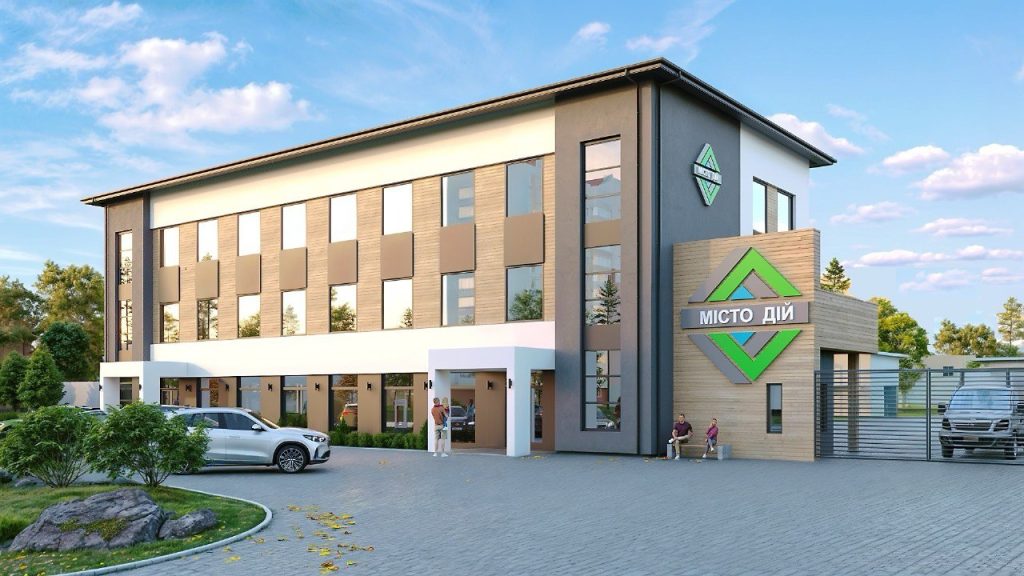
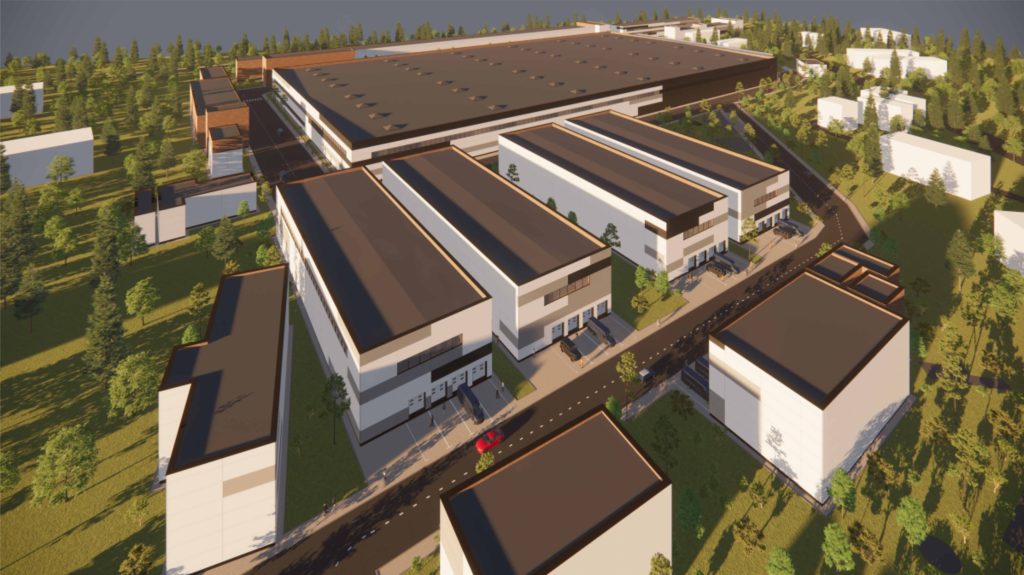
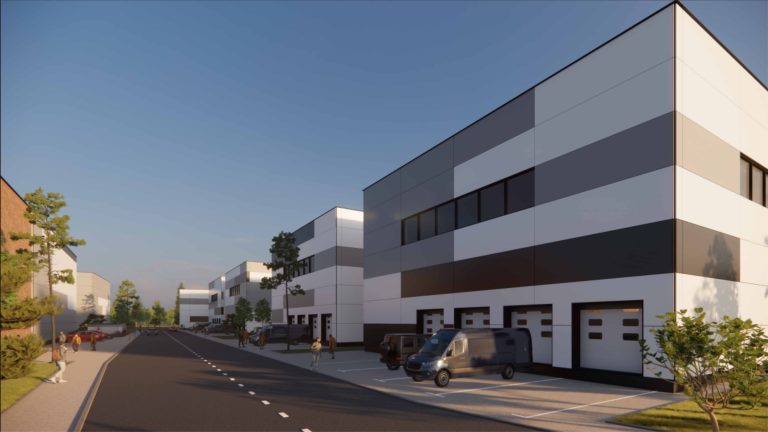
The ‘Misto Dii’ Industrial Park is a modern, next-generation industrial space covering 10.26 hectares within the city of Drohobych (Lviv Oblast), established in a former industrial zone to foster manufacturing, innovation and entrepreneurship. The aim of the project is to revitalise the region’s economy, attract investment, create new jobs and foster a competitive environment of European standard.
The initiative is based on the principles of building a positive investment image for Drohobych, supporting clusters and smart specialisation, as well as developing environmentally friendly and energy-efficient production. The developers aim to create not just production space, but a comprehensive ecosystem to support businesses from start-up to scaling up, with the full support of the management company (professional services, security, cleaning and administrative support).
The park’s main infrastructure comprises 50,152 m² of industrial space, 2,555 m² of warehouse space and 1,992 m² of technical buildings, enabling processing industry enterprises to be located away from residential and recreational areas thanks to a flexible model for the use of facilities and the possibility of refurbishing existing buildings. All necessary utilities are connected directly to the site.
The park enjoys a strategically advantageous location in the heart of Western Ukraine. Transport links include its own railway siding connected to Drohobych station on the Lviv Railway (5.6 km away), providing direct access to international freight routes. An asphalt road runs along the front of the site, ensuring convenient access for both freight and passenger vehicles. The distance to Lviv is 90 km, and Drohobych Airport is located just 6.2 km from the park, creating additional opportunities for efficient transport operations.
The park’s sectoral focus covers a wide range of promising areas within the processing and technology industries:
- Production of building materials and components for residential and commercial construction.
- Production of foodstuffs and non-alcoholic beverages in compliance with modern sanitary and technological standards.
- The woodworking industry (wood processing and high value-added products).
- The production of paper, packaging materials and paper products.
- The production of electronic components and devices for industrial solutions.
- The production of machinery and equipment (design and manufacture of mechanisms).
- Alternative energy (development and production of energy-efficient technologies).
Residents receive direct tax and financial incentives, national and local support, flexible terms for infrastructure use, as well as economic benefits from an eco-industrial approach and comprehensive business support.