
How Industrial Parks Are Becoming a Growth Point for Ukrainian Industry
This article is based on an interview with Olena Podolska, co-founder of PB Energy Consulting, given to UA.NEWS, published with permission.
Industrial parks have become one of the key tools driving Ukraine’s economic recovery. They allow businesses to relocate or launch new production faster in safer regions, access state incentives, and create new jobs.

Why industrial parks are back in the spotlight
Ukraine first discussed tax incentives for industrial zones back in 2006–2007, inspired by Western models. The Law “On Industrial Parks” was passed in 2012, but real reform only began in 2021, with tax and customs benefits taking effect for park participants in 2022. That’s when interest from business truly took off.
Key benefits for park participants include:
- exemption from corporate income tax, provided profits aren’t paid out as dividends;
- no customs duties on imported equipment;
- VAT exemption on that equipment.
Olena stresses that an industrial park is, first and foremost, a commercial project — not a “state handout” of land and tax breaks. Someone still has to build the infrastructure with private capital first. Ukraine currently has 111 registered industrial parks, though those that show no real development risk losing their status.
What it takes to build one
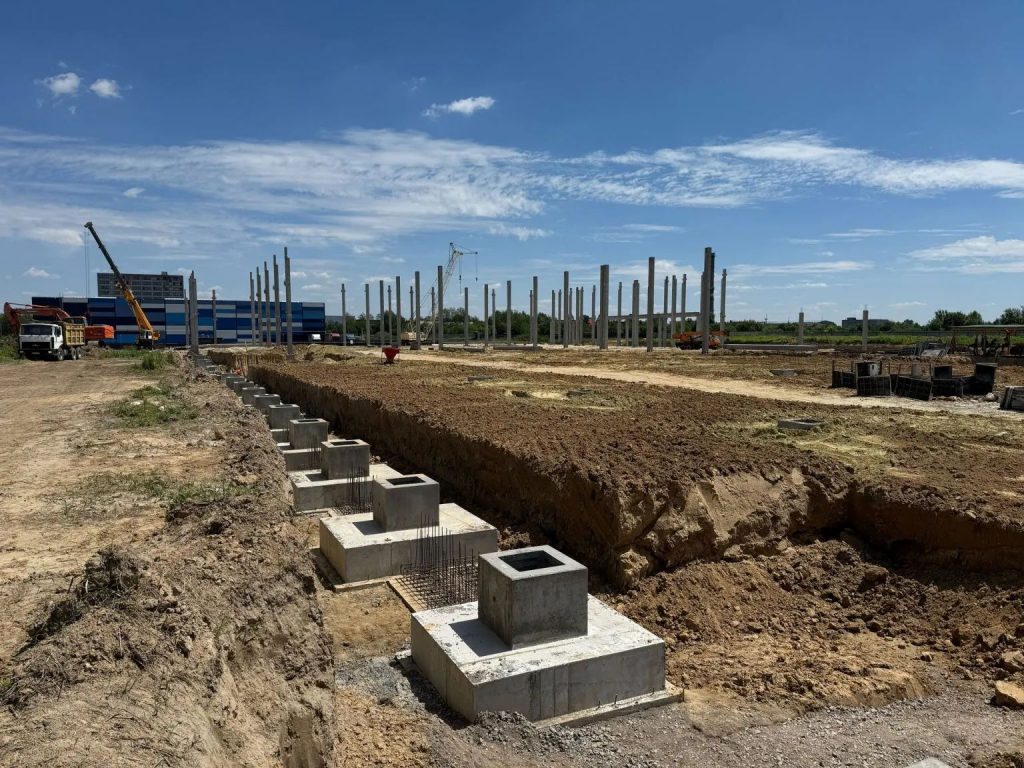
The minimum plot size is 10 hectares, and park status is confirmed by the Ministry of Economy. The hard part comes next: building out infrastructure costs between $10–20 million. The state partially compensates these costs — up to 150 million UAH — which significantly eases the financial burden on founders.
The ecosystem around parks
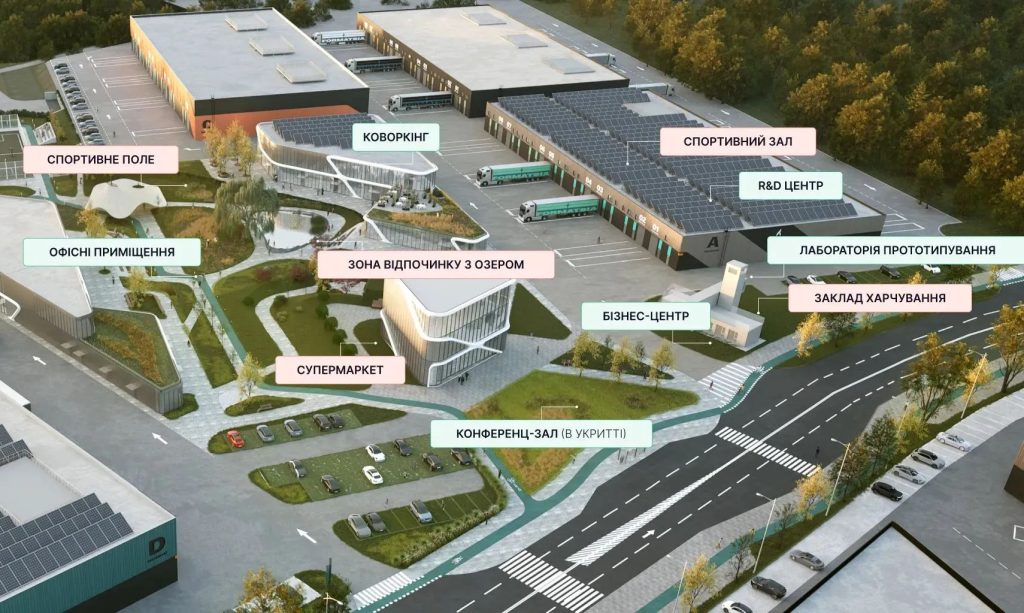
At their best, industrial parks aren’t just plots of land — they’re cluster ecosystems with business centers, training centers, and worker housing. Demand for training centers is especially high given the current labor shortage in manufacturing.
A standout example is the Bila Tserkva industrial park, founded by Vasyl Khmelnytskyi back in 2006. It’s now home to 11 companies and its own training center, with a broader educational ecosystem of colleges built up around it.
Greenfield vs. brownfield
- Greenfield sites are built from scratch on open land, requiring investment in all infrastructure.
- Brownfield sites are former Soviet-era industrial zones with existing utility connections but outdated, run-down facilities.
Companies that try to build a plant independently often return to the industrial park model within a year, once they’ve calculated the real costs — self-built projects are usually more expensive and slower. As Olena puts it, speed to launch matters more than the amount invested today: a year gained in launch time is a year of extra profit.
Where manufacturers are relocating
Location choice largely depends on target markets: companies focused on the EU tend to move west (Lviv, Khmelnytskyi, Vinnytsia), while those serving the domestic market often stay in central Ukraine. The challenge for smaller cities is a labor shortage, which often means bringing in workers from other regions.
Security tools for industrial parks
Some parks have already introduced war-risk insurance (including through MIGA, as seen at M10 Lviv Industrial Park) and even their own air defense systems. This is becoming an added incentive for foreign investors considering entry into the Ukrainian market even during wartime — among the examples cited are Kingspan, Kronospan, and Finland’s Peikko.
The bottom line
According to Olena Podolska, Ukraine isn’t waiting for “post-war reconstruction” — businesses are rebuilding right now. The most successful industrial parks are the ones founded by manufacturers themselves, combining tax incentives, infrastructure cost compensation, and the ability to build a cluster of complementary producers around their own site.
Read the full interview on UA.NEWS →
Learn how PB Energy Consulting helps businesses choose and develop an industrial park →